How to Clean High Chair Straps (Without Damaging Them)
Last updated: November 12, 2026 · Product details checked on Amazon.com
Quick answer: To clean high chair straps, first check your high chair manual, because some brands allow removing and hand washing straps while others recommend surface cleaning only. Brush off dried food, then wipe or gently scrub the straps with warm water and mild, fragrance-free soap. Treat stubborn stains with an enzyme cleaner, rinse with a damp cloth, and let the straps air dry completely before use. Never bleach or machine dry harness webbing.
High chair straps take a beating. Yoghurt, puréed carrots, banana and milk all find their way into the webbing and buckles, and once dried they can smell sour or even develop mould. Cleaning them properly keeps your baby’s seat hygienic and helps the harness stay strong and secure.
This guide covers quick daily cleaning, deep cleaning, stain and odour removal, buckle care and the mistakes that can weaken straps.
Before You Start: Check the Manual
Manufacturers have different rules for harness care. Some allow straps to be removed and hand washed, and a few allow gentle machine washing. Others advise against removing or soaking them, because harsh cleaning can weaken the webbing or affect how the harness performs.
Your manual, or the manufacturer’s website, will tell you whether straps can be detached, how to rethread them correctly and which cleaning products are safe. If you’ve lost the manual, search the model number online; most brands publish downloadable copies. Following these instructions protects both your child’s safety and your warranty.
What You’ll Need
Warm water, mild fragrance-free soap or baby dish cleaner, a soft cloth, a small brush or old toothbrush, an enzyme stain remover for food stains, and a towel for blotting. Baking soda and white vinegar help with lingering odours.


Dapple Baby Fragrance-Free Dish Spray
Gentle foaming cleaner made for baby bottles and feeding gear, handy for trays and plastic parts.
- Foaming spray
- Fragrance free
- Plant-based
- 2-pack
- ✅ Gentle for baby items
- ✅ Rinses clean
- ❌ Pricier than regular soap
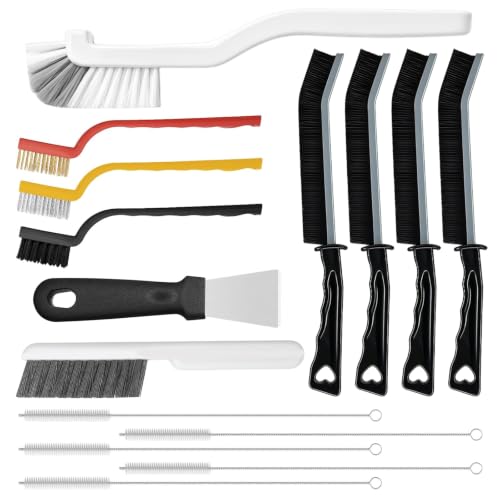

15-Piece Crevice Cleaning Brush Set
Small, stiff brushes that reach into buckles, seams and tray grooves where crumbs hide.
- 15 brushes
- Assorted shapes
- Stiff bristles
- Reusable
- ✅ Reaches tiny gaps
- ✅ Inexpensive
- ❌ Bristles wear over time


Puracy Enzyme Stain Remover (Free & Clear)
Fragrance-free enzyme spray that breaks down food, milk and formula stains on fabric.
- Enzyme formula
- Fragrance free
- Spray bottle
- For fabrics
- ✅ Good on protein stains
- ✅ No added scent
- ❌ Needs dwell time
Comparison Table
| Product | Price Tier | Rating | Best For | Amazon |
|---|---|---|---|---|
| Dapple Baby Fragrance-Free Dish Spray | Budget | 4.8/5 | Baby feeding gear | Check Price |
| 15-Piece Crevice Cleaning Brush Set | Budget | 4.7/5 | Buckles and seams | Check Price |
| Puracy Enzyme Stain Remover (Free & Clear) | Budget | 4.3/5 | Food and milk stains | Check Price |
Step 1: Remove Loose Food
Unbuckle the harness and brush away dried crumbs and food with a dry brush or cloth. Use a crevice brush to clear food from the buckle and where straps meet the seat. Removing solids first prevents smearing them deeper into the fabric.
A handheld vacuum with a crevice tool works well for crumbs trapped in seams. Check underneath the seat pad and behind the backrest, where food often collects unnoticed.
Step 2: Surface Clean the Straps
Mix a few drops of mild soap into a bowl of warm water. Dip a cloth or soft brush, wring it out well and scrub the straps gently along their length, front and back. Avoid saturating the webbing.
Work in small sections, rinsing your cloth often. Pay attention to the areas around the shoulders and crotch strap, which get the most contact with food and drool. Use gentle pressure; aggressive scrubbing can fray the fibres.
Step 3: Treat Stubborn Stains
For dried milk, formula, fruit or vegetable stains, spray a little enzyme cleaner onto the stain, let it sit for the time recommended on the label, then gently scrub and wipe away. Enzymes break down protein and food residue that soap alone can leave behind.
For coloured stains like carrot, beetroot or berries, a paste of baking soda and a little water, gently worked in and wiped off, can lift discolouration. Sunlight also fades many food stains naturally, so drying straps in indirect daylight can help, provided the manufacturer allows it.
Step 4: Rinse Without Soaking
Go over the straps several times using a fresh, lightly wet cloth with no soap on it, lifting away any remaining cleaner. Leftover soap attracts dirt and can irritate sensitive skin.
Step 5: Dry Completely
Blot the straps with a dry towel, then let them air dry fully before using the high chair again. Damp straps can develop mildew and odours. Never use a tumble dryer, hair dryer on high heat or radiator to speed things up, as heat can weaken the webbing.
Cleaning the Buckle
Buckles trap food in their release mechanisms, which can make them stiff or prevent them from latching securely. Brush out debris, then swish the buckle in warm water, pressing the release button several times to flush out residue. Avoid soap or lubricants inside the mechanism unless the manual allows them.
After rinsing, shake out excess water and let the buckle dry completely before reconnecting it. Test it several times to make sure it clicks firmly and releases smoothly. If it still sticks or doesn’t latch reliably, contact the manufacturer for a replacement rather than continuing to use it, because a faulty buckle is a safety issue.
Removing Straps for a Deep Clean
If your manual says straps are removable, take a photo of how they’re threaded before taking them out. Unthread them carefully, wash by hand in warm, mildly soapy water, rinse thoroughly and air dry flat. Rethread exactly as before, checking every slot and anchor.
Rethreading mistakes are common, so compare against your photo and the manual’s diagrams. Pull firmly on each strap after reinstalling to confirm it’s anchored. Make sure straps aren’t twisted, which can reduce strength and comfort.
Dealing With Mould and Mildew
Black or grey spots on straps usually mean mould, often caused by straps staying damp after spills or cleaning. Clean the area thoroughly with mild soap and an enzyme cleaner, then dry the straps completely in a well-ventilated spot. If mould returns or has penetrated the webbing deeply, replace the harness.
Prevent mould by wiping spills promptly, never storing the high chair while damp and allowing good airflow around it. Avoid harsh mould sprays on harness straps, since chemicals can weaken fibres and may not be safe for surfaces your baby touches.
Removing Odours
Sour milk smells come from residue trapped in the webbing. An enzyme cleaner is the most effective fix. For mild odours, sprinkle a little baking soda on dry straps, leave it for an hour, then brush and wipe it away.
A diluted vinegar wipe, about one part white vinegar to four parts water, also neutralises smells. Follow with a plain water wipe and let everything dry fully. The vinegar scent fades as it dries.
What Not to Do
Avoid bleach, harsh disinfectants, solvent-based stain removers, ironing, tumble drying and soaking straps for long periods unless your manual explicitly allows it. These can weaken fibres, fade safety markings or leave chemical residue that babies may mouth.
Also avoid cutting or trimming frayed threads without checking the strap’s overall condition. Fraying can indicate wear that compromises strength. If straps are cut, torn or heavily frayed, stop using them and order a replacement from the manufacturer.
Cleaning the Rest of the High Chair
While the straps dry, clean the tray, seat and frame. Most trays and tray inserts are dishwasher safe on the top rack; check your manual. Seat pads may be machine washable on a gentle cycle. Wipe the frame, legs and footrest with warm soapy water and dry them.
Pay attention to tray grooves and the tray release mechanism, where food hides. A detail brush clears these quickly. If your seat pad is fabric, follow the care label carefully and reshape it while damp so it fits properly once dry. Our high chair buying guide highlights models with dishwasher-safe trays and wipe-clean seats, which save time every day.
How Often to Clean
Wipe straps and tray after every meal, especially messy ones. Do a more thorough clean of straps and buckles every week or two, and a full deep clean of the high chair once a month, or immediately after spills of milk or formula.
A quick daily routine prevents most problems. Keeping a pack of baby-safe wipes or a spray bottle of mild soapy water near the high chair makes it easy to clean up while food is still soft.
Making Cleanup Easier
Use a bib with a catch pocket, place a washable splat mat under the chair, and choose high chairs with removable, washable or wipe-clean harnesses. Tucking a muslin cloth behind the shoulder straps during very messy meals protects them from direct spills.
Some parents keep straps loosened slightly and tucked behind the backrest when not in use, so they don’t collect crumbs. Just remember to adjust and fasten them properly every time your baby sits in the chair.
When to Replace High Chair Straps
Replace straps if the webbing is torn, cut, heavily frayed or stiff, if the buckle no longer latches reliably, if mould keeps returning, or after a recall notice. Use only genuine replacement parts from the manufacturer, because generic straps may not fit or perform correctly.
Contact the manufacturer with your model number and date of manufacture, usually printed on a label under the seat. Many brands sell replacement harnesses at a modest price. Registering your high chair ensures you hear about recalls or safety updates.
Second-Hand High Chairs
If you’ve inherited or bought a used high chair, clean it thoroughly, check the straps and buckle carefully, confirm all parts are present and look up the model for recalls. Replace worn harnesses before use.
Older chairs may lack features found in newer models, such as a crotch post that prevents a baby from sliding under the tray. Check that the chair meets current safety standards and that its weight and age limits suit your child.
Cleaning Straps on Other Baby Gear
The same gentle approach works for stroller, swing and bouncer straps, but car seat harnesses have stricter rules. Most car seat manufacturers prohibit machine washing or submerging harness straps, so always follow the car seat manual exactly.
Car seat harnesses are critical safety components designed to perform in a crash, and incorrect cleaning can compromise them. When in doubt, surface clean only and contact the manufacturer for advice.
Once everything is dry, fasten the harness on your baby and check the fit: straps should be snug enough that only a finger or two fits underneath.
Bottom Line: Cleaning High Chair Straps
Check your manual first, brush off dried food, surface clean with mild soap and warm water, treat stains with an enzyme cleaner and let straps air dry fully. A quick wipe after messy meals and a deeper clean every week or two will keep straps fresh, hygienic and strong. If you’re shopping for a new seat, look for one with removable, washable straps.
Frequently Asked Questions
Can you put high chair straps in the washing machine?
Only if your manual allows it; many brands recommend surface cleaning only.
How do you get mould out of high chair straps?
Clean with mild soap and an enzyme cleaner, dry thoroughly, and replace straps if mould persists.
Can I use bleach on high chair straps?
No, bleach can weaken harness webbing.
How often should I clean high chair straps?
Wipe after messy meals and deep clean every week or two.
How do I get the smell out of high chair straps?
Use an enzyme cleaner or baking soda paste, rinse and dry completely.
Can I buy replacement high chair straps?
Many manufacturers sell replacement harnesses; contact them with your model number.