
How To Season A Cast Iron Skillet: Easy 2026 Guide
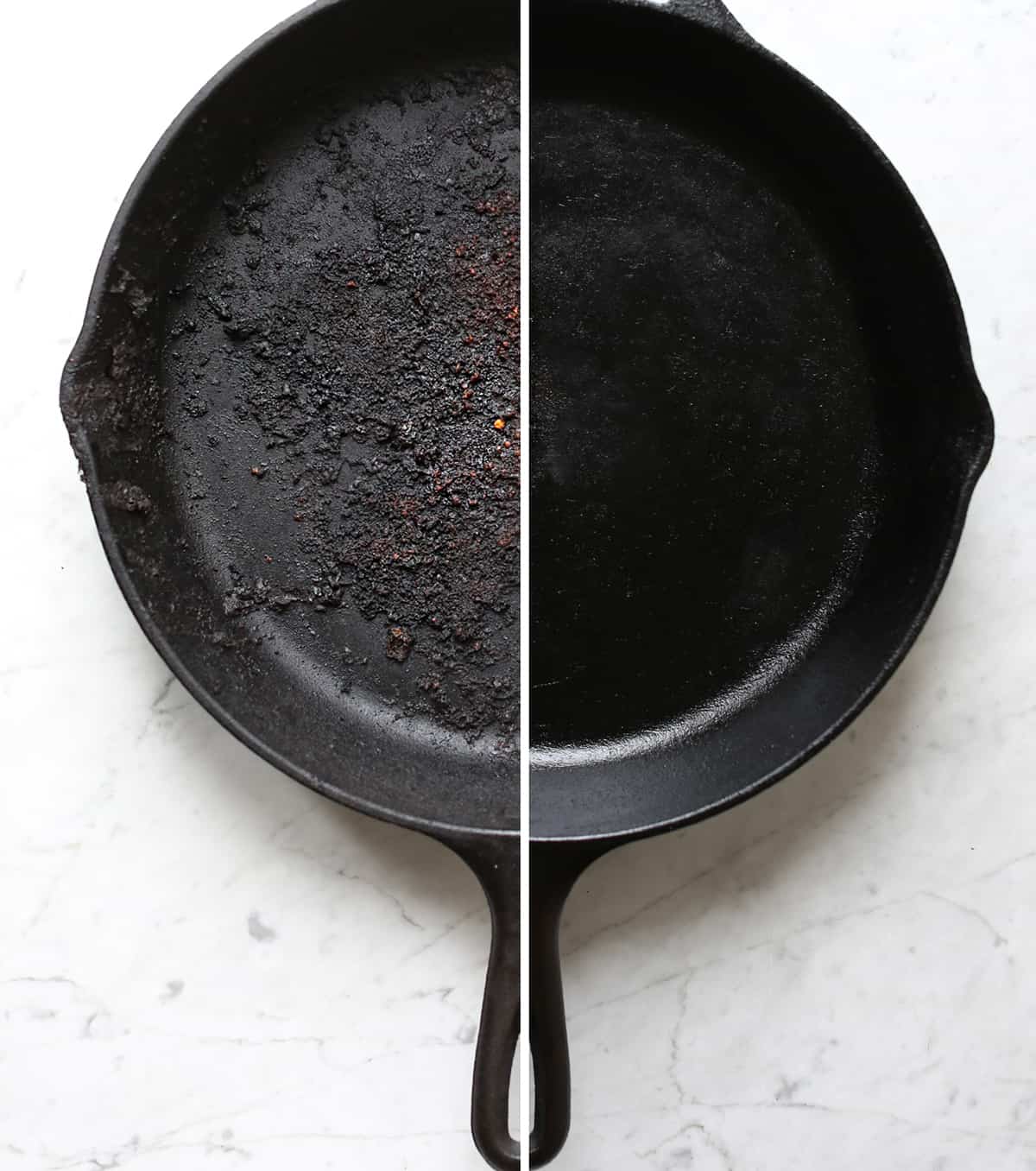
The key to seasoning a cast iron skillet is to clean, oil, and bake it. A well-seasoned cast iron skillet is a kitchen staple that promises years of non-stick cooking and enhances food flavors. Learning how to season your skillet not only perfects your culinary experience but also preserves the skillet for generations. Whether you're a seasoned chef or a home cook, understanding this process will transform how you cook. Dive into this complete guide to mastering cast iron.
What Is Seasoning and Why Is It Important?
Seasoning a cast iron skillet involves creating a protective layer of fats that polymerize onto the surface, forming a natural, easy-release coating. This coating contributes to the skillet's non-stick quality and prevents rust.
Benefits of Seasoning
- Non-Stick Cooking: A properly seasoned skillet allows for seamless cooking without food sticking.
- Flavor Enhancement: Over time, the seasoning absorbs and retains flavors, enriching the taste of food.
- Longevity: Protects against rust and deterioration, ensuring the skillet lasts for years.
Step-by-Step Guide to Seasoning a Cast Iron Skillet
Follow these steps to season your cast iron skillet effectively.
Cleaning the Skillet
- Wash: Use warm water and a small amount of mild soap.
- Scrub: Gently scrub with a nylon brush or sponge.
- Dry: Ensure the skillet is completely dry before proceeding to oiling.
Applying Oil to the Skillet
- Choose the Right Oil: Vegetable oil, flaxseed oil, or grapeseed oil are ideal for seasoning.
- Coat the Skillet: Pour a small amount onto the skillet. Use a paper towel to spread over the entire surface, including the sides and handle.
Baking the Skillet
- Preheat the Oven: Set it to 375°F (190°C).
- Place the Skillet Upside-Down: Position it on the top shelf with a baking sheet on the lower rack to catch drips.
- Bake: Leave the skillet in the oven for about one hour.
- Cool Down: Allow it to cool in the oven to prevent drastic temperature changes.
Maintaining a Seasoned Skillet
- Regular Use: Use the skillet frequently to build and maintain the seasoning.
- Proper Cleaning: Avoid harsh detergents and minimize scrubbing to preserve the seasoning.
- Re-seasoning: Reapply oil and bake as necessary, especially if the skillet develops rust.
Frequently Asked Questions
How often should I season my cast iron skillet?
Season every few months or whenever the surface appears dull or rusty.
Can I use soap when cleaning my cast iron skillet?
A little mild soap is acceptable, but avoid detergents that can strip seasoning.
What oil is best for seasoning?
Use oils with a high smoke point like vegetable or grapeseed oil.
Why is my food sticking even after seasoning?
The skillet may require additional layers of seasoning or a longer baking time.
Should I store my cast iron with a layer of oil?
A light coating of oil can prevent rust, especially in humid environments.
Conclusion
Seasoning a cast iron skillet may seem daunting, but it's a rewarding process that enhances your cooking and gives life to your cookware. Keep practicing and maintaining your skillet, and it will serve you well for years to come. Ready to elevate your cooking experience? Try seasoning your skillet today and notice the difference. Share your experience below or subscribe for more culinary tips!
:max_bytes(150000):strip_icc()/How-to-Season-Cast-Iron-Skillet-3x2-1-bcd280f1703e47e0a59bb62e86a0d53a.png)