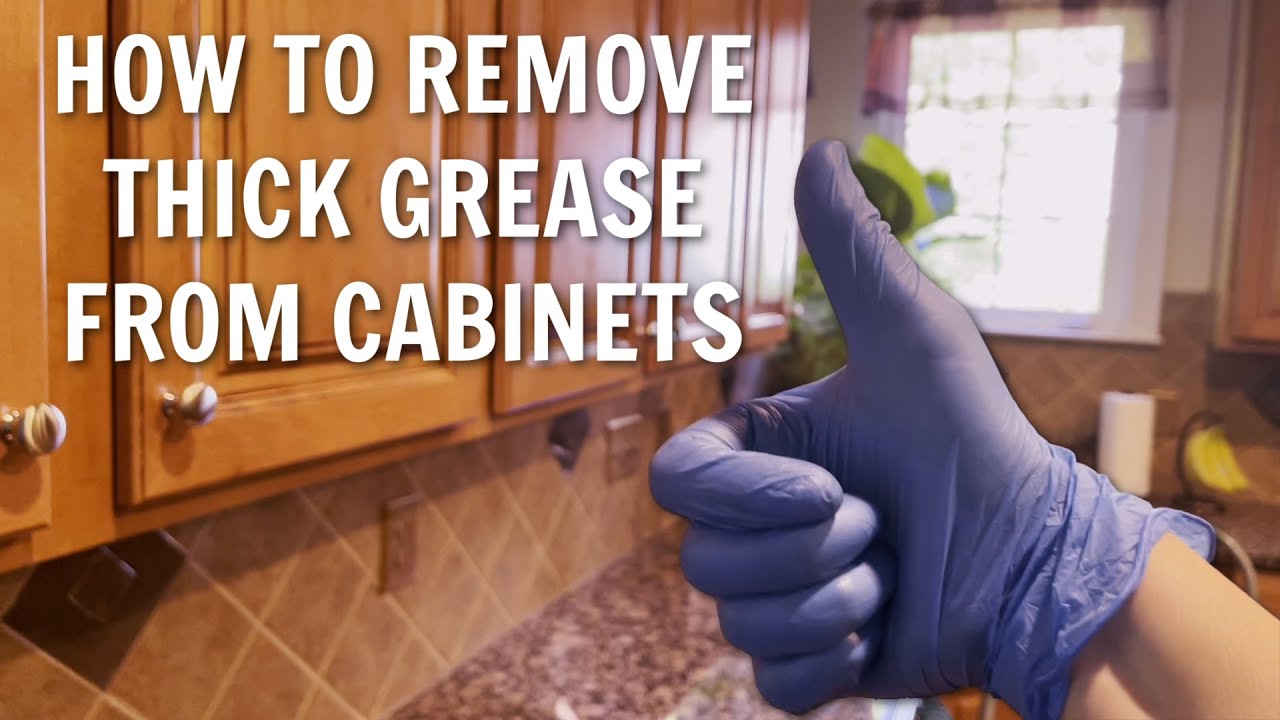
Clean Kitchen Cabinets: Remove Grease Easily
Grease can be removed from kitchen cabinets using a combination of dish soap, vinegar, and baking soda.
Are your kitchen cabinets looking a little worse for wear, covered in a stubborn layer of greasy grime? You're not alone. Over time, grease buildup is an inevitable part of kitchen life, but with the right approach, you can restore your cabinets to their former glory. From understanding the best cleaning agents to using effective techniques, this guide will walk you through the process of banishing grease and keeping your cabinets looking pristine. Dive in to find expert tips, practical advice, and easy solutions for a spotless kitchen.
Understanding Grease Buildup on Kitchen Cabinets
Kitchen grease is a sneaky culprit that seems to appear out of nowhere. When cooking, oil particles from frying or sautéing get airborne, eventually settling on surfaces, including your cabinets. These particles mix with dust and other debris, forming a sticky, unsightly layer. Regular cleaning can prevent this buildup, but what if it's been a while? Fortunately, effective options are available.
What You'll Need for Cleaning
Before tackling the grease, gather some essential supplies. A little preparation goes a long way in this process.
- Dish Soap: Excellent for cutting grease.
- White Vinegar: Natural and effective.
- Baking Soda: A gentle abrasive.
- Microfiber Cloths: Non-scratch and absorbent.
- Warm Water: Enhances cleaning power.
- Spray Bottle: Adds convenience.
- Soft Brush or Toothbrush: Reaches crevices.
Step-by-Step Guide to Clean Kitchen Cabinets
Step 1: Prepare the Cleaning Solution
- Mix one part dish soap with two parts warm water in a spray bottle. For extra power, add a splash of white vinegar.
Step 2: Apply and Soak
- Spray the solution generously onto greasy areas. Allow it to sit for a few minutes to break down the grime.
Step 3: Scrub Carefully
- Use a microfiber cloth or a soft brush to scrub the cabinets gently. Focus on corners and edges where grease tends to accumulate.
Step 4: Tackle Stubborn Spots
- For tough stains, create a paste of baking soda and water. Apply this to the problem area with a toothbrush, then scrub.
Step 5: Rinse and Dry
- Wipe down the cabinets with a clean, damp cloth to remove any residue. Dry with another cloth to prevent water spots.
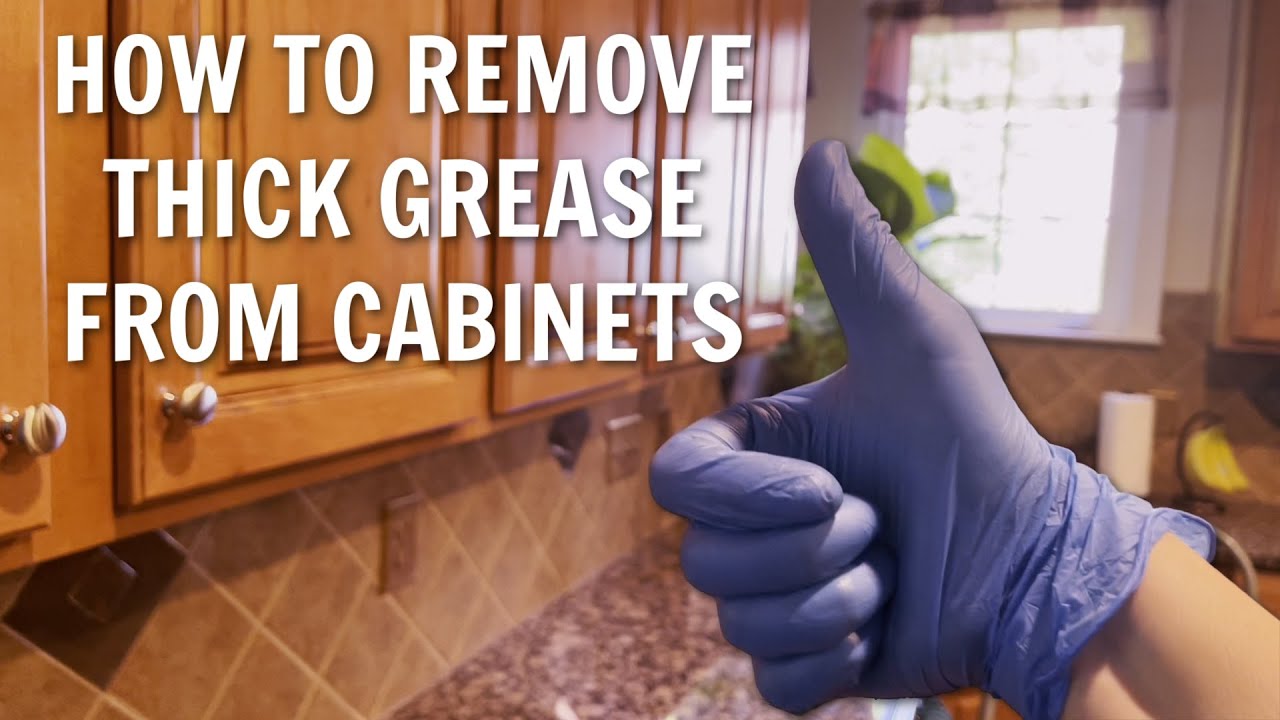
Tips for Maintaining Grease-Free Cabinets
- Wipe Regularly: A quick wipe after cooking can prevent grease from setting.
- Use Cabinet Liners: Absorb greasy spills before they spread.
- Consider Ventilation: Use an exhaust fan to minimize airborne oil particles.
- Avoid Harsh Chemicals: Stick to gentle solutions to protect cabinet finishes.
Common Mistakes to Avoid
- Using abrasive cleaners that can scratch and damage your cabinets.
- Ignoring cabinet tops where grease accumulates.
- Over-wetting the cabinets, leading to potential water damage.
Frequently Asked Questions
How often should I clean my kitchen cabinets?
It's a good idea to wipe down your cabinets weekly or after heavy cooking sessions to keep grease from building up.
Can I use lemon juice instead of vinegar?
Yes, lemon juice is a natural alternative with similar cleaning properties to vinegar.
What should I do if the grease is really stubborn?
Consider using a commercial degreaser, but ensure it's safe for your cabinet material.
Are there materials that shouldn’t be cleaned with vinegar?
Vinegar can damage certain finishes, like waxed or unfinished wood. Always test in an inconspicuous area first.
Can baking soda scratch the surface?
Baking soda is mild, but it's best used as a paste to minimize any potential scratching.
Conclusion
Reviving your kitchen cabinets from greasy build-up is easier than you think. With a mix of everyday household items and a bit of elbow grease, your cabinets can shine once more. Ready to give it a try? Take action now and enjoy a cleaner, fresher kitchen. For more tips and tricks, consider subscribing to our newsletter or sharing your own cleaning experiences in the comments below. Your kitchen awaits its transformation!