Clean Dishwasher With Vinegar: Best Guide 2026
Cleaning a dishwasher with vinegar is simple: place a cup of vinegar in a dishwasher-safe bowl on the top rack and run a hot cycle.
A sparkling clean dishwasher not only looks appealing but also functions efficiently, eliminating odors and keeping your dishes pristine. If you've been neglecting this essential kitchen appliance, don't worry—using vinegar is one of the easiest, most effective ways to rejuvenate it. This guide will walk you through the process of how to clean a dishwasher with vinegar, ensuring you achieve optimal results. Trust in this tried-and-true method that has saved countless households from the pitfalls of dingy dishwashers.
Why You Should Clean Your Dishwasher
Even though your dishwasher cleans dishes, it doesn’t clean itself. Food particles, grease, and soap scum can build up over time, leading to bad smells and reduced performance. Regular cleaning helps:
- Improve Efficiency: A clean dishwasher runs better, preventing clogs and improving water flow.
- Eliminate Odors: Remove any lingering smells caused by bacteria or leftover food debris.
- Extend Lifespan: Regular maintenance keeps your appliance in top shape longer.
Step-by-Step Guide to Cleaning a Dishwasher with Vinegar
Gather Your Materials
- White Vinegar: An excellent natural cleaner.
- Dishwasher-safe Bowl: To hold the vinegar.
- Soft Cloth/Sponge: For wiping down surfaces.
- Baking Soda (Optional): For an extra deep clean.
Prepare the Dishwasher
- Empty the Dishwasher: Remove all dishes and utensils.
- Check the Drain: Remove any food particles or debris around the drain area to prevent clogging.
First Cleaning Cycle: Vinegar
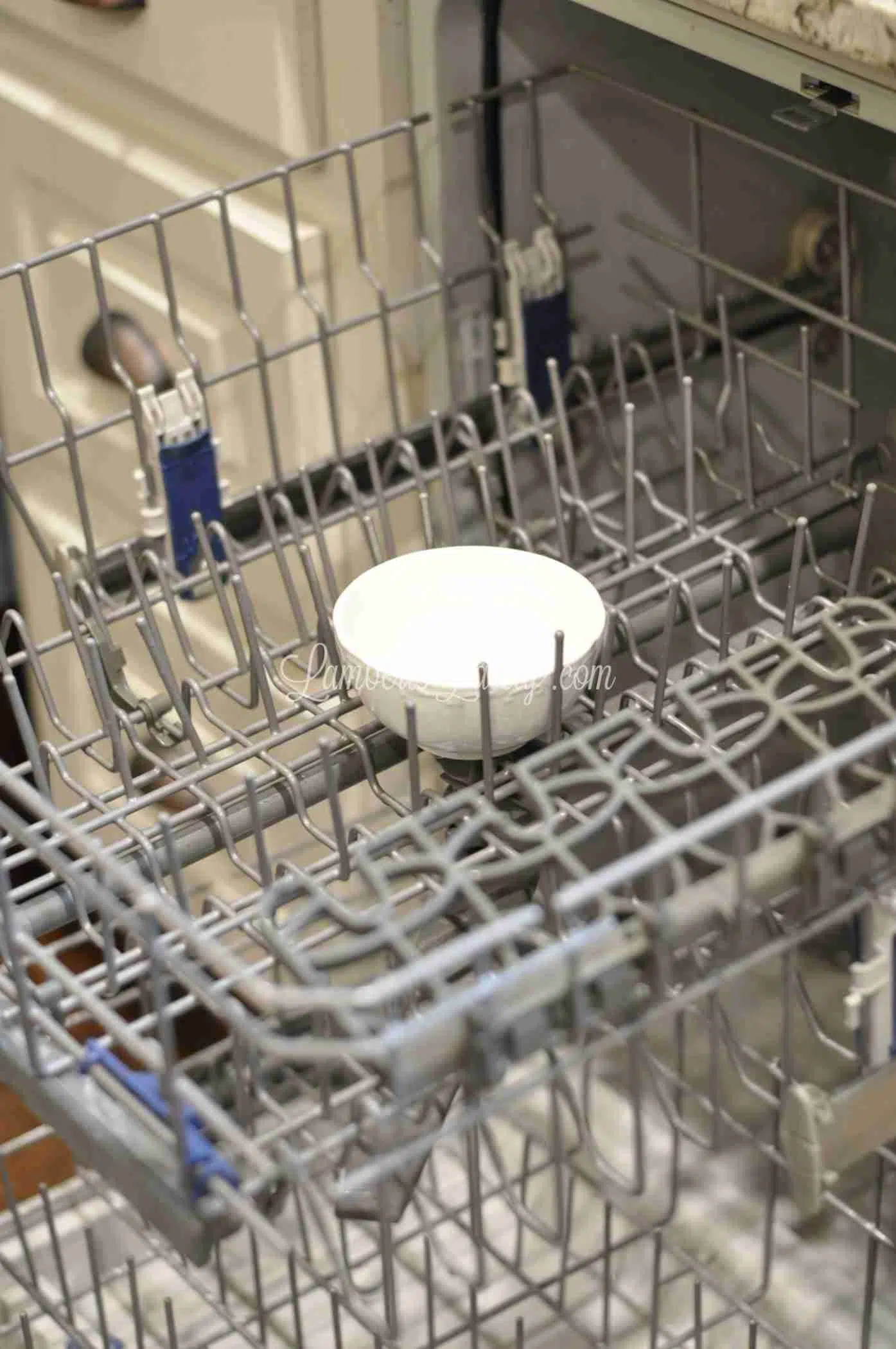
- Fill the Bowl: Pour one cup of white vinegar into the dishwasher-safe bowl.
- Place the Bowl: Set it on the top rack of the dishwasher.
- Run the Cycle: Start a hot water cycle and let the vinegar work its magic, breaking down grime and eliminating odors.
Second Cleaning Cycle (Optional): Baking Soda
- Sprinkle Baking Soda: After the vinegar cycle, sprinkle a cup of baking soda across the bottom of the dishwasher.
- Run a Short Cycle: Use the hottest water setting for a short cycle to freshen up and further deodorize.
Final Touches
- Wipe the Edges and Seals: Use a damp cloth or sponge to clean around the door edges and rubber seals.
- Clean the Utensils Basket and Racks: These areas can collect grime. Give them a quick wipe down.
This routine can make your dishwasher look and feel brand new, improving not only its appearance but also its performance. With these straightforward steps, you can maintain this vital kitchen workhorse effortlessly.
Common Mistakes to Avoid
- Using Too Much Vinegar: Excess vinegar can be harsh on some dishwasher components. Stick with one cup.
- Skipping the Drain Check: Failing to clear out food particles from the drain can lead to blockages.
- Neglecting External Parts: Regularly wipe down the handle and controls to keep the exterior clean.
Frequently Asked Questions
How often should I clean my dishwasher with vinegar?
For optimal performance, clean your dishwasher with vinegar once a month.
Can I use vinegar if my dishwasher smells bad?
Yes, vinegar is effective at removing odors and refreshing the appliance.
Is it safe to mix vinegar and baking soda for cleaning?
While they can be used sequentially, do not mix them directly as it can cause a foamy reaction.
Will vinegar damage my dishwasher?
When used properly, vinegar is safe and won't damage your dishwasher. Avoid excessive use.
Can I use apple cider vinegar instead of white vinegar?
Stick with white vinegar for its neutral color and higher acidity for cleaning.
Conclusion
Keeping your dishwasher in pristine condition with vinegar is both simple and effective. Regular cleaning not only extends the life of your dishwasher but also ensures every dish is sparkling clean. So, go ahead and implement this easy routine. If you found these tips helpful and want to keep your appliances running smoothly, consider subscribing to our newsletter for more household maintenance tips. Or, leave a comment below to share your experiences and tips!