How To Clean A Blender: Easy Steps For 2026
Rinse the blender immediately after use to prevent food from sticking.
Cleaning a blender after use might seem like one of those tasks you want to avoid, but it’s crucial for maintaining both hygiene and appliance longevity. In the following sections, we’ll dive deep into the best practices, ensuring your blender stays in top shape and ready for the next delicious creation. You'll learn expert techniques, common mistakes to avoid, and tips that will make cleaning up a breeze. Whether you're blending smoothies or soups, these insights are crafted from years of experience and designed to make your life easier.
How to Clean a Blender After Use
Keeping your blender spotless doesn't have to be daunting. With the right steps, you can ensure a thorough cleanse every time, preventing unwanted odors and ensuring that each use is as fresh as the last.
Immediate Rinse
- As soon as you finish using the blender, take it to the sink and fill it halfway with warm water.
- Add a drop of dish soap.
- Blend for 30 seconds at low speed. This helps dislodge any food particles stuck to the blades.
Disassemble the Blender
- Carefully remove the jar from the base and take apart all removable components.
- Separate the lid, blade assembly, and gasket.
Detailed Cleaning
- Wash each part with warm, soapy water using a soft sponge.
- Pay special attention to the blades where residue tends to stick.
- Use a toothbrush for stubborn spots or corners.
Deep Clean for Stubborn Stains
If you frequently use tough ingredients, your blender might need more than just soap and water.
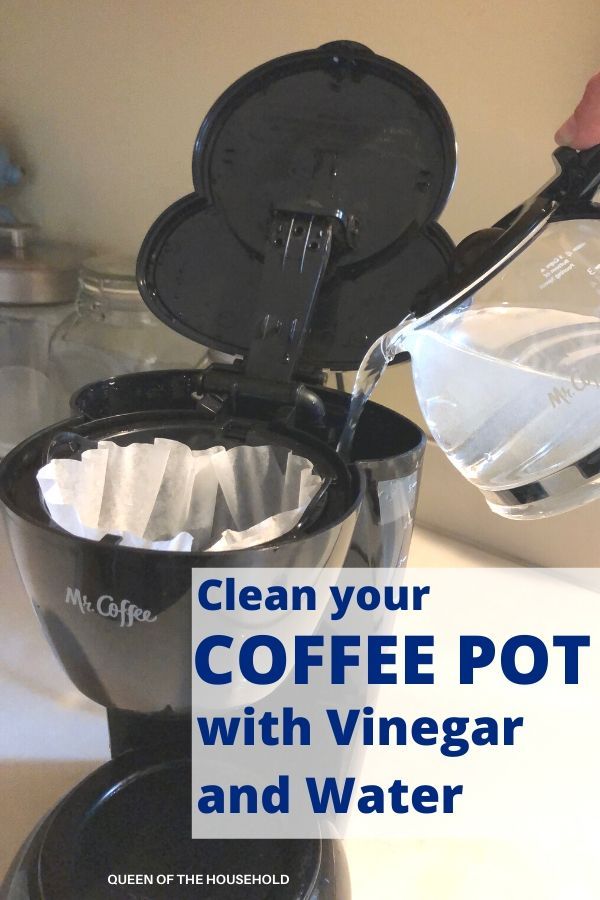
- Mix a solution of equal parts white vinegar and water.
- Let the mix sit in the blender jug for 10–15 minutes before rinsing.
Drying and Reassembly
- After cleaning, dry all parts thoroughly with a clean towel to prevent water spots and bacteria growth.
- Reassemble your blender only when all parts are completely dry.
Tips from Experience
Having cleaned countless blenders, I've found that a quick rinse immediately after use saves a lot of time down the road. Avoid using abrasive cleaners or sponges that can damage the surface. Always ensure you have thoroughly dried the blades to prevent rust.
Frequently Asked Questions of How to Clean a Blender After Use
How often should I deep clean my blender?
Deep cleaning should be done monthly or after blending particularly staining foods like turmeric or beets.
Can I put blender parts in the dishwasher?
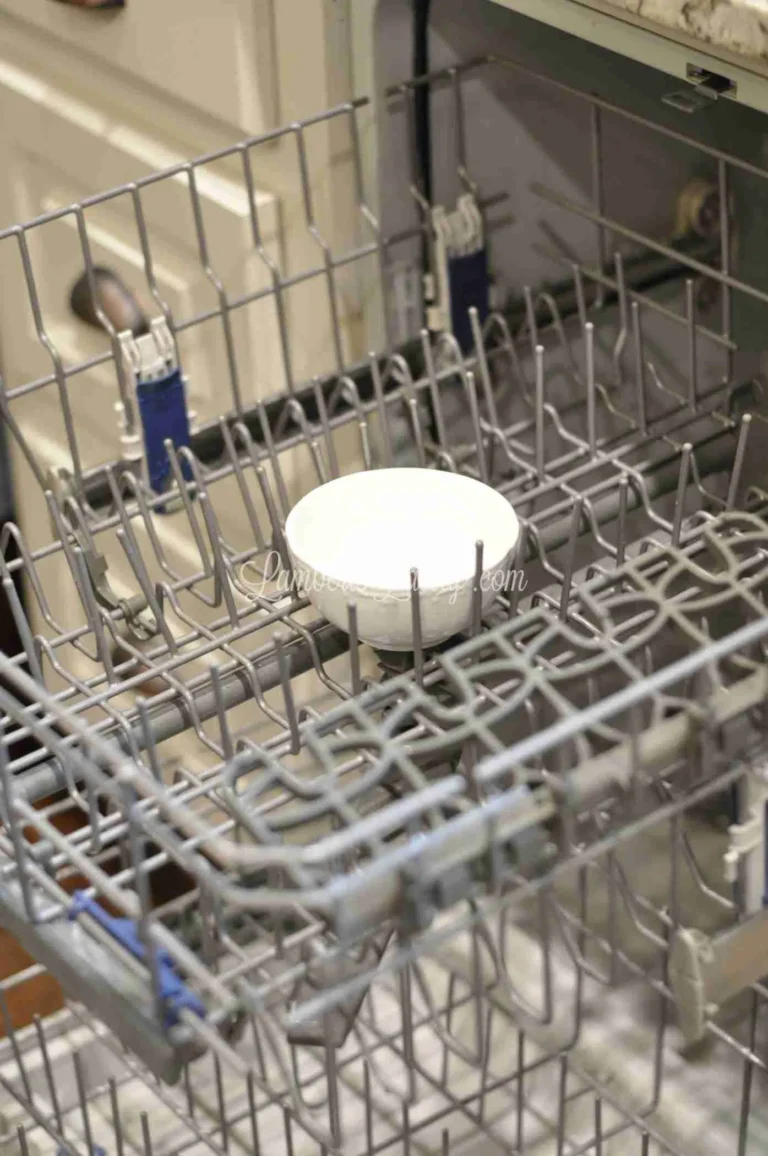
Most blender jars and lids are dishwasher safe, but check your manufacturer's instructions first.
What should I do if my blender still smells after cleaning?
Try blending water with baking soda to neutralize odors, or soak the jar in vinegar for 10 minutes.
How can I prevent the blades from rusting?
Ensure blades are completely dry before reassembling. Store them away from moisture.
Is it safe to use bleach for cleaning?
Avoid bleach, as it can corrode the materials and leave harmful residues.
Conclusion
Mastering how to clean a blender after use is a skill that pays off in freshness and efficiency. With the steps outlined here, even the toughest stains and odors are no match for your cleaning routine. By investing a little time in maintenance, you ensure your blender remains a trustworthy kitchen companion. Feel free to try these techniques and enhance your everyday blending experience. Share your thoughts, subscribe for more tips, or leave a comment below to join the conversation!