Unclog Kitchen Sink Drain: Easy DIY Guide 2026
To unclog a kitchen sink drain, try using boiling water, a plunger, or a baking soda and vinegar mix.
Dealing with a clogged kitchen sink drain can be a frustrating experience, but don't worry—you're not alone. Many homeowners face this issue frequently. Understanding how to effectively tackle it is crucial to maintaining a functional kitchen. Our comprehensive guide offers practical solutions grounded in expertise, so you can handle this common household issue with ease.
Understanding the Cause of Clogs
Clogs in kitchen sinks are primarily caused by the accumulation of food particles, grease, and soap scum. Over time, these materials build up and block the water flow, leading to slow drainage or complete blockage. Knowing the root causes allows you to prevent these blockages in the future.
Step-by-Step Guide to Unclogging a Kitchen Sink
1. Use Boiling Water
- Boil a Kettle: Start by boiling a full kettle of water.
- Pour Slowly: Carefully pour the boiling water down the drain in two to three stages, allowing it to work its way through the clog.
- Repeat: If necessary, repeat the process until the water drains smoothly.
2. Plunge the Sink
- Seal Off Overflow Holes: Use a damp cloth to cover the overflow holes.
- Position the Plunger: Place the plunger cup directly over the drain.
- Plunge Vigorously: Use firm, consistent strokes for about 30 seconds, breaking the blockage to allow water to flow.
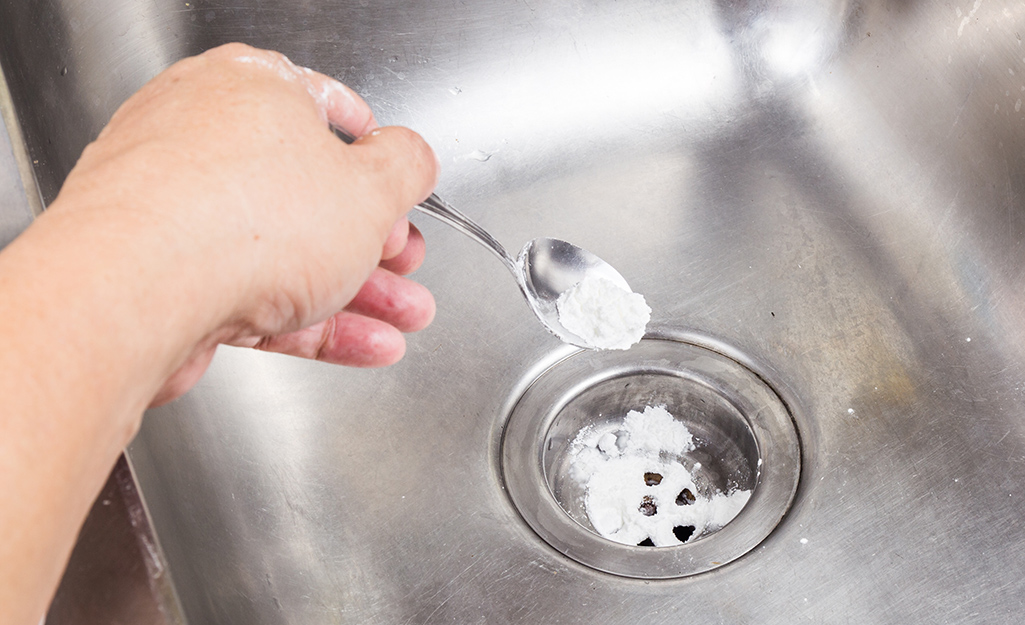
3. Baking Soda and Vinegar
- Pour Baking Soda: Add a cup of baking soda down the drain.
- Add Vinegar: Follow with a cup of vinegar and cover the drain to contain the fizzing reaction.
- Wait and Flush: After 15 minutes, flush with boiling water to clear the debris.
4. Clean the P-Trap
- Prepare: Place a bucket under the sink to catch any water.
- Remove the P-Trap: Unscrew the trap using a wrench and clear out any trapped debris.
- Reassemble and Test: After cleaning, reattach the trap and test the sink by running water.
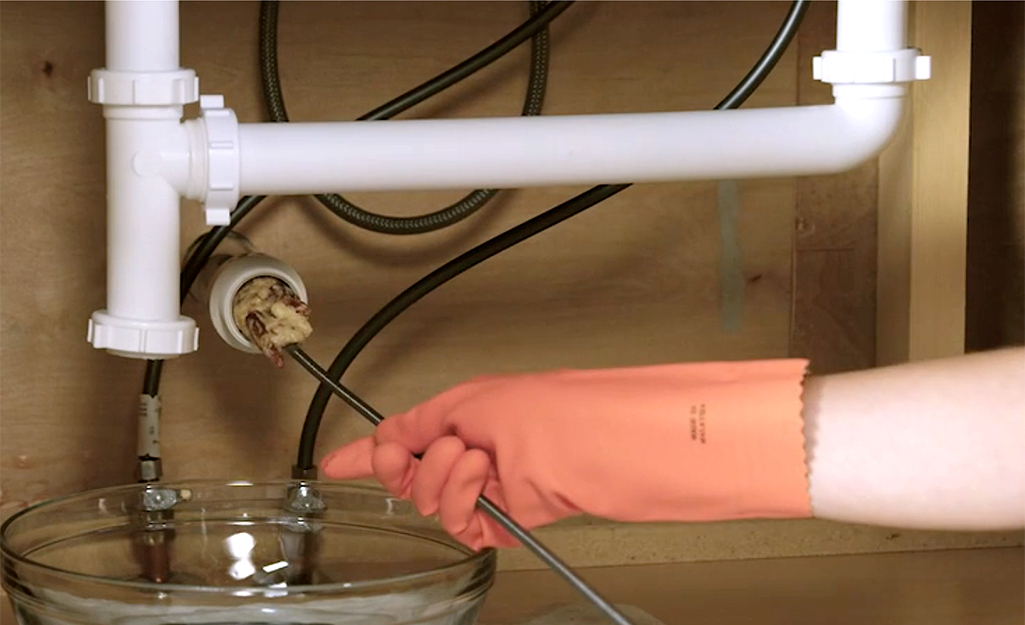
5. Use a Drain Snake
- Insert the Snake: Push the snake into the pipe until resistance is felt.
- Crank the Handle: Rotate the handle to break apart or hook onto the clog.
- Remove and Flush: Pull out debris and flush with water to ensure it's clear.
Preventative Measures
- Avoid Pouring Grease: Dispose of cooking oil and grease in a container rather than the sink.
- Use a Drain Shield: A drain cover catches food scraps and prevents them from entering the pipes.
- Regular Maintenance: Regularly clear minor clogs with baking soda and vinegar to prevent severe blockages.
Frequently Asked Questions of How to Unclog a Kitchen Sink Drain
How often should I clean my kitchen sink drain?
Cleaning your sink drain every month can prevent major clogs and ensure smooth drainage.
Can I use chemical drain cleaners?
While effective, chemical drain cleaners can damage pipes and should be used sparingly and with caution.
What if none of the methods work?
If all else fails, consider contacting a professional plumber to avoid causing further damage.
Is a plunger safe for kitchen sinks?
Yes, using a plunger is safe and effective for dislodging minor clogs in kitchen sinks.
Can baking soda and vinegar damage pipes?
Baking soda and vinegar are natural cleaners, generally safe for pipes, and can effectively remove mild clogs.
Conclusion
Tackling a clogged kitchen sink drain doesn't have to be daunting. With the right approach and tools, you can clear most blockages without professional help. By incorporating regular maintenance and preventative habits, you'll ensure a smoothly functioning kitchen sink. Ready to try these tips? Let us know your experience or share any additional methods in the comments below!