How To Fix A Running Toilet: Easy DIY Solutions 2026
A running toilet often needs fixing due to flapper wear or valve issues.
Dealing with a toilet that won't stop running can be both frustrating and wasteful, impacting not just your peace of mind but also your water bill. Fortunately, fixing a running toilet is a task that even a novice DIYer can tackle. In this comprehensive guide, you'll learn the ins and outs of toilet mechanics, troubleshoot common problems, and discover actionable solutions to fix a running toilet at home. So roll up your sleeves, and let's dive into the world of plumbing fixes.
Understanding Toilet Mechanics
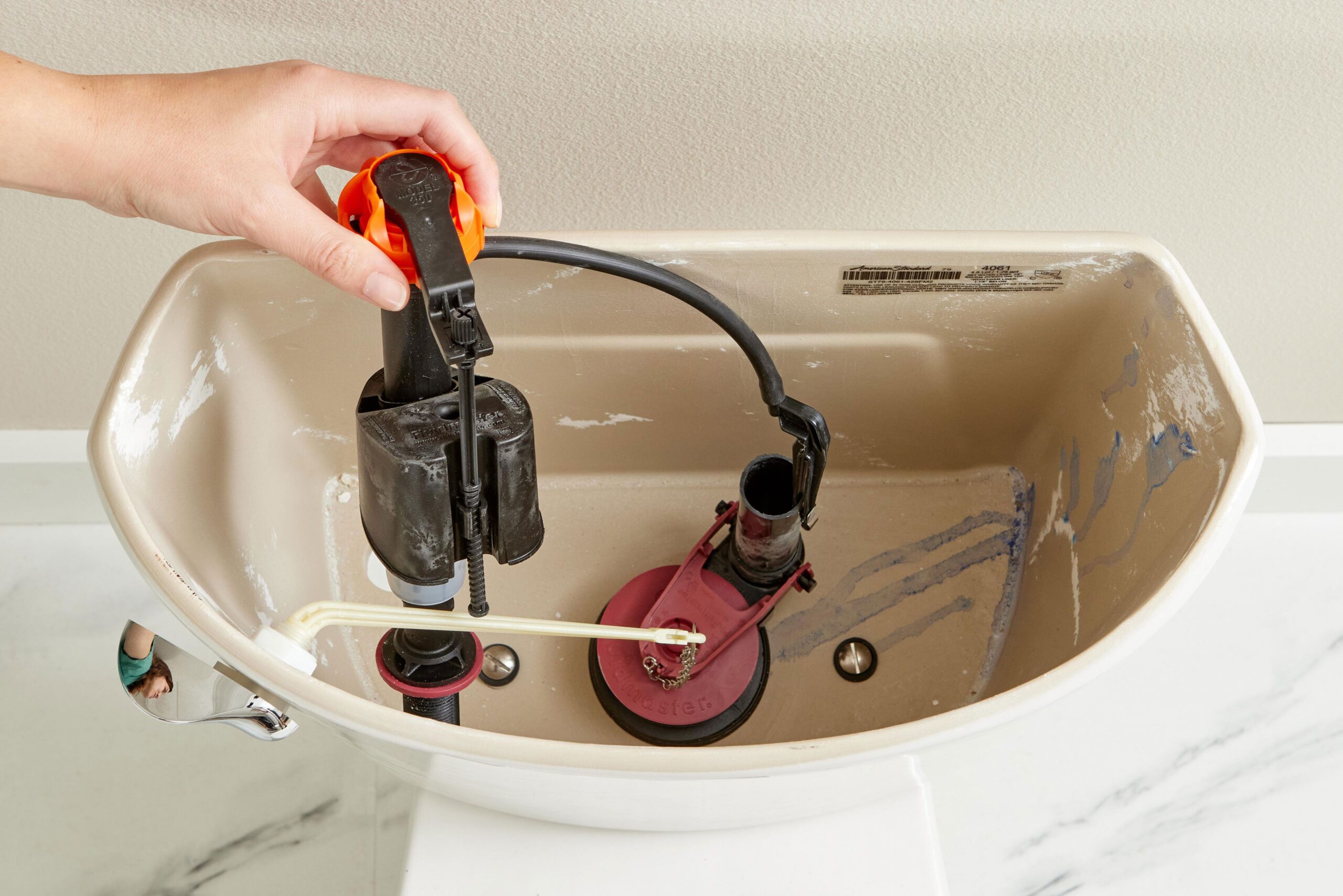
To effectively fix a running toilet, it's crucial to understand how it works. A toilet involves several key components:
- Flapper: The rubber seal that lets water from the tank into the bowl.
- Fill Valve: Controls water flow into the tank.
- Float: Regulates when the water stops filling the tank.
- Overflow Tube: Prevents water from spilling over the tank rim.
Knowing these parts helps in identifying the malfunctioning areas.
Common Causes of a Running Toilet
A running toilet can be due to:
- Worn-out Flapper: An old or damaged flapper may not create a tight seal.
- Misaligned Float: A float set too high causes water to overflow into the overflow tube.
- Faulty Fill Valve: A malfunctioning fill valve might not stop water flow.
- Chain Issues: A chain that's too long or short affects the flapper's function.
By identifying the cause, you can employ the right fix.
Step-by-Step Guide to Fixing a Running Toilet
1. Inspect the Flapper
- Check if the flapper is sealing properly.
- If worn or damaged, replace it.
2. Adjust the Float
- Make sure the float aligns with the fill line.
- Adjust the float arm or screw for proper water level.
3. Replace the Fill Valve
- Turn off the water supply and flush the toilet to empty the tank.
- Disconnect the old fill valve and install a new one.
4. Shorten or Lengthen the Chain
- Ensure the chain has a slight slack.
- Adjust the chain length so the flapper opens and closes correctly.
These steps should address most issues. Remember, patience is key.
Tips and Tricks
- Use dye tablets or food coloring in the tank to test for leaks. If color appears in the bowl, the flapper isn’t sealing.
- Regular maintenance checks can prevent future issues.
- Have a small toolbox handy with necessary plumbing tools.
When to Call a Professional
If you've tried these tips and your toilet still runs, it may be time to seek professional help. Complex issues such as internal cracks or misaligned plumbing could be at play, requiring an expert's attention.
:strip_icc()/bhg-how-to-fix-running-toilet-step-01-0277_5f8bw6BKKuw8OrSfLkvaf_-aecdb781e7b245d8b06fa11bf491fdc8.jpg)
Frequently Asked Questions of How to Fix a Running Toilet at Home
What tools do I need to fix a running toilet?
Typically, you'll need basic tools like a wrench, pliers, and a screwdriver.
How much does a new flapper cost?
A new flapper typically costs between $5 to $15, making it an affordable fix.
Can a running toilet increase my water bill?
Yes, a running toilet can waste several gallons each day, leading to higher costs.
How often should I check my toilet for leaks?
Conduct a simple check every few months to ensure all parts are functioning properly.
Can I prevent my toilet from running in the future?
Regular maintenance and timely replacements of worn-out parts can prevent future issues.
Conclusion
Fixing a running toilet at home is both a rewarding and practical endeavor. By understanding how your toilet functions and following the steps outlined in this guide, you can save water, money, and avoid unnecessary stress. Don’t hesitate to roll up your sleeves and get started. Feel empowered to make repairs yourself, and remember, you’re not alone—plenty of resources are available to help along the way. If you found this guide useful, consider subscribing for more DIY tips or leaving a comment with your own plumbing stories.